What ChatGPT advertising means for marketers
For months, “ChatGPT ads” have been treated like either the death of search or just another overhyped AI headline. The reality sits somewhere in the middle.
On 9 February 2026, OpenAI began testing ads inside ChatGPT in the US. A broader rollout, including Australia, is expected later this year. But this is not a fully formed ad platform yet, and there is no need to reshuffle your media mix tomorrow.
What it does signal is more important. A new kind of intent environment is emerging, and it does not fit neatly into search or social.
If your business is invested in performance marketing, that’s worth paying attention to.
What has actually been announced about ChatGPT ads?
Right now, OpenAI has confirmed one thing: early-stage ad testing inside ChatGPT in the US.
Here’s what that looks like so far:
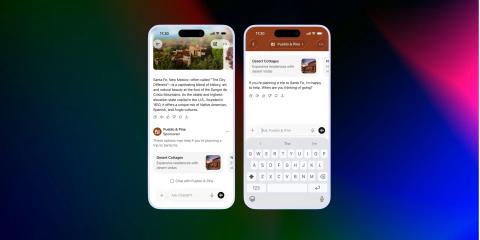
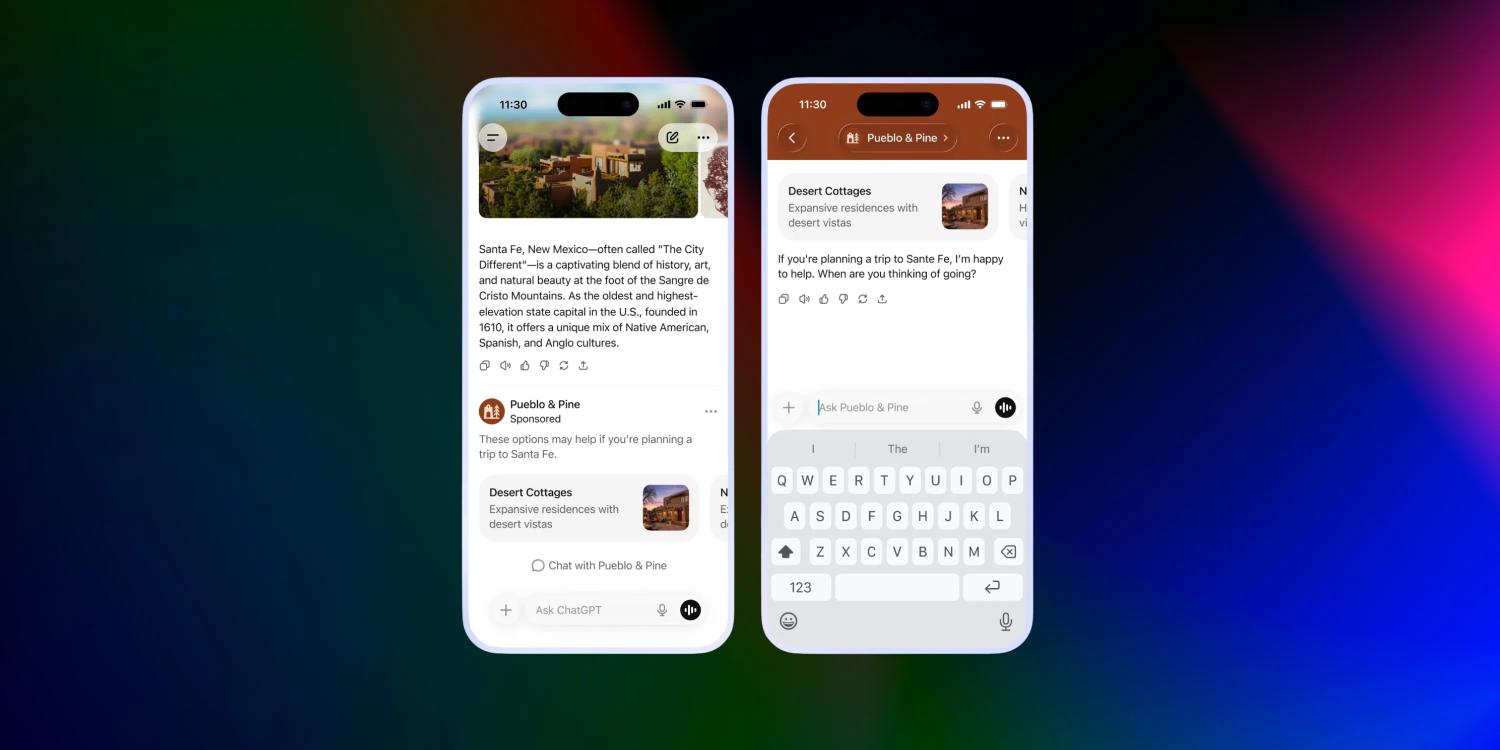
- Ads appear outside the core response, not embedded in answers
- Likely banner-style placements with light creative (image + copy)
- Users can opt into exploring the ad further within the chat
- Ads are expected to be contextually triggered, based on the conversation
What’s still unknown:
- No confirmed self-serve ad platform
- No clear targeting or bidding system
- No defined measurement or attribution model
- No rollout timeline for markets like Australia, although a lag of around six months is likely.
So if you are asking, “Can you advertise on ChatGPT yet?”, the answer is no. Not in any meaningful or scalable way.
Why ChatGPT advertising actually matters
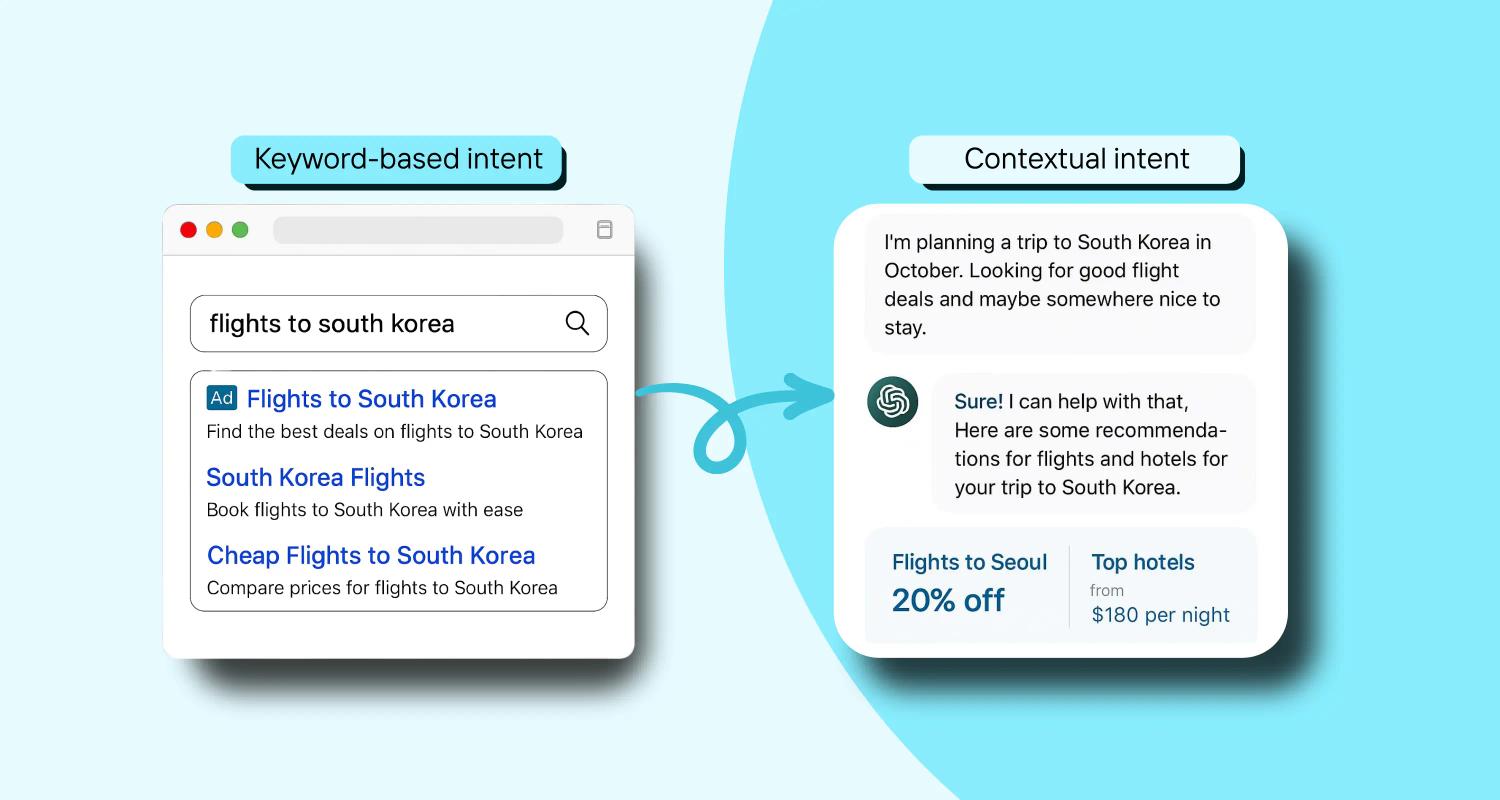
ChatGPT advertising isn’t just another ad placement; it represents a shift in how intent is captured.
Traditionally:
- Search ads target declared intent through keywords
- Social ads target inferred intent through behaviour
ChatGPT ads will sit somewhere in between.
Instead of keywords or behavioural signals, ads are triggered by live conversational context. In simple terms, what someone is actively trying to figure out.
For example, a user planning a trip to South Korea could trigger an airline or hotel ad based on the conversation.
That’s not a standard search query or passive browsing. It’s problem-based intent, and that is a meaningful shift.


Will ChatGPT ads replace Google or Meta?
Short answer: no.
Longer answer: they don’t need to.
At least initially, ChatGPT ads are more likely to be:
- Incremental budget, not a replacement
- Positioned higher up the funnel (closer to consideration than conversion)
- Treated as experimental spend, similar to early TikTok or YouTube buys
There are a few reasons for this:
- Limited measurement (currently)
- High projected costs, with early estimates around $60 CPMs
- Lack of platform maturity
For now, this puts ChatGPT advertising closer to premium video or awareness channels than pure performance media.
How ads in ChatGPT responses could reshape intent
One of the more interesting implications is how ChatGPT changes the way people express intent.
Instead of typing:
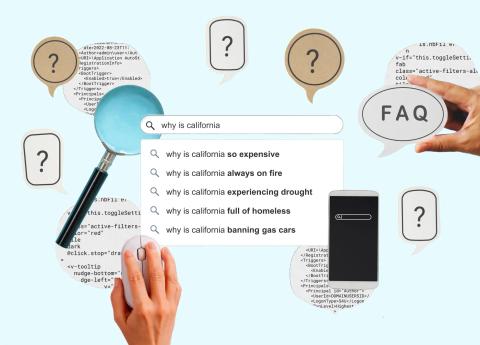
“best running shoes under $200”
Users might say:
“I need running shoes for marathon training but don’t want to spend too much”
This added context of the user’s goals, constraints and preferences is incredibly valuable. But it also raises new questions:
- What exactly are you targeting? Topics, sentiment, or stage of decision-making?
- How do you scale that kind of nuance?
- Will user behaviour change once people realise ads are influencing responses?
There’s even a scenario where users may start engineering their prompts to get better recommendations, effectively shaping their own ad experience.
That’s a very different dynamic to search or social.
The biggest unknown: measurement and attribution
This is where most of the hype falls apart. There is no clear answer yet to:
- How conversions will be tracked
- Whether clicks will even be the primary metric
- How ChatGPT fits into existing attribution models
What it is likely to do is accelerate a shift that is already underway:
More emphasis on blended measurement, like MMM and incrementality.
In a conversational environment, influence matters just as much as interaction. That’s harder to measure, but more reflective of how consumer decisions are actually made.
Brand safety in AI-generated environments
There’s also a risk most marketers aren’t talking about enough.
ChatGPT generates responses, and those responses are not always accurate. That raises some obvious questions:
- What happens when an ad appears next to incorrect advice?
- Or alongside sensitive or inappropriate content?
- Or in a context that doesn’t align with the brand?
This is a different challenge to traditional brand safety.
We predict that OpenAI will likely introduce safeguards, but early stages will almost certainly be opaque. For more risk-sensitive industries, that uncertainty could slow adoption.
Who will benefit from ChatGPT ads?
In the short term, this won’t be a level playing field. Early signals suggest:
- Larger brands will dominate early due to high CPMs
- High-consideration categories (travel, finance, tech) may benefit most
- Smaller advertisers may be priced out initially
Creative may also play a smaller role than expected early on. If formats remain simple, targeting and context will carry more weight.


5 ways to prepare for ChatGPT ads
This isn’t a “drop everything and pivot” moment, but it’s also not something to ignore. Here are a few practical steps to consider:
1. Don’t reallocate budget yet: There’s no platform to scale on. Treat this as a future test channel, not a current priority.
2. Ringfence experimental budget: Plan to set aside budget in the next 6–12 months for testing once access opens up.
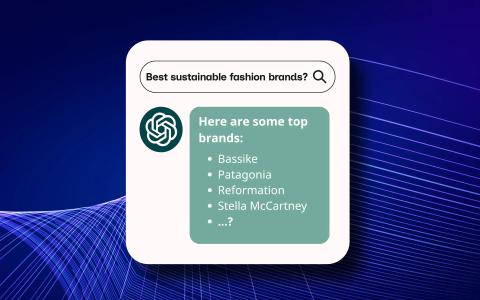
3. Strengthen your presence in LLM ecosystems: Optimising for AI visibility matters more than ChatGPT ads right now.
Focus on:
- Structured, high-quality content
- Clear brand authority
- Content that is likely to be surfaced in AI-generated responses
4. Watch the right signals: Focus on what is changing, not what is being said.
- How ads are integrated into the user experience
- What measurement capabilities are introduced
- How user behaviour evolves
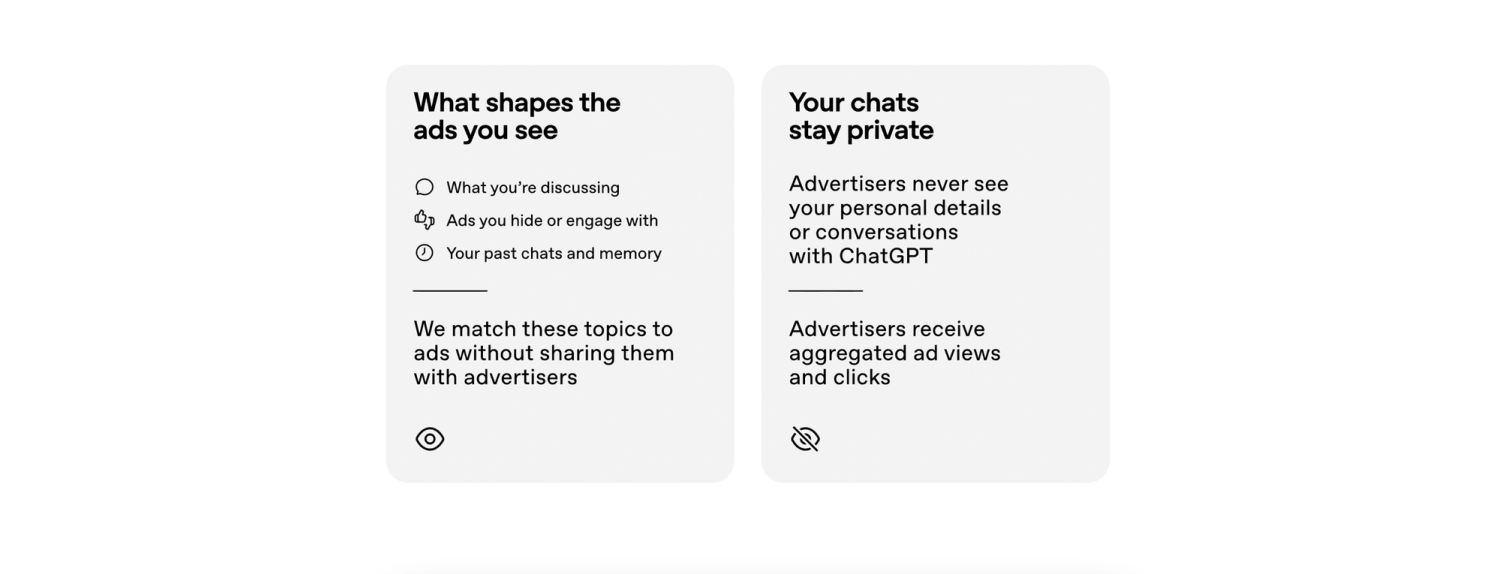
5. Prepare for privacy scrutiny: If this scales, data usage will come under pressure. That will shape how the channel develops.
So, will ChatGPT sell ads at scale?
Most likely, but the bigger story isn’t whether ads appear in ChatGPT; it’s that intent is becoming more conversational, contextual, and fluid. That has implications far beyond one platform.
Search won’t disappear. Social won’t collapse. But the lines between them are starting to blur.
The future of paid media won’t just be about where your brand shows up, but how well you understand what someone is actually trying to do.
Conclusion
There’s a lot we still don’t know about ChatGPT advertising.
But we can say that the brands that will benefit won’t be the ones chasing early hype. They’ll be paying attention to how behaviour, intent, and measurement are quietly shifting underneath it.
Starting to think about how AI-driven platforms will impact your marketing strategy? Book a chat with us today. We can help you make sense of what actually matters and where to focus next.

Written by
Nat Taylor