Google I/O 2026 wasn’t just another product update
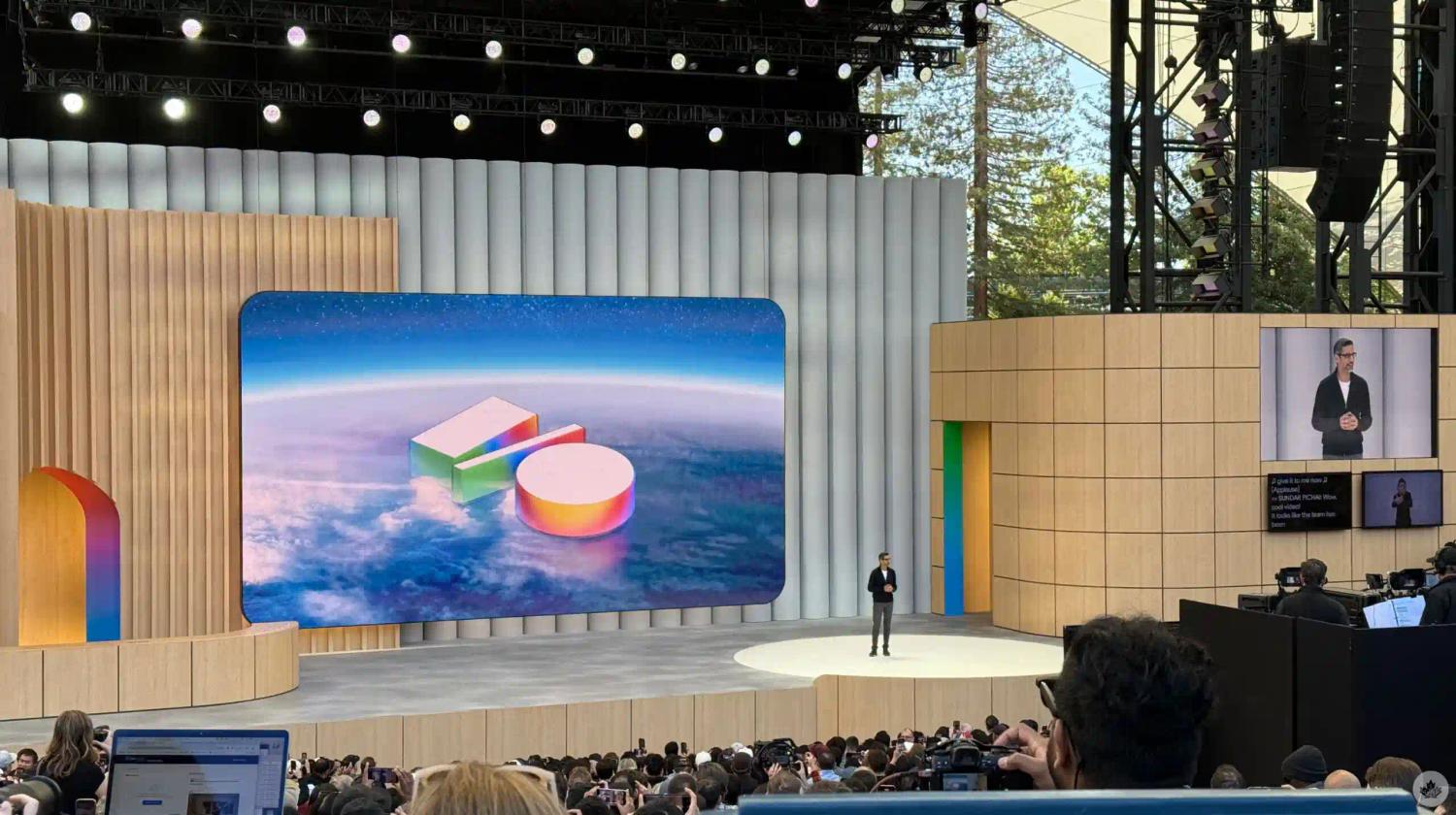
Google announced a lot at I/O 2026.
New models, new agents, new search experiences, new shopping tools, new ways for AI to appear across almost every part of Google’s ecosystem.
For marketers, the volume of announcements can feel overwhelming. But not every product update needs to become a strategic priority.
The real question is simpler:
What actually matters for brands trying to grow visibility, demand and commercial outcomes?
From our perspective, the biggest takeaway from Google I/O wasn’t that marketers need to completely reinvent their digital strategies overnight. It was that Google is continuing to move search away from a static results page and towards a more conversational, multimodal and action-led experience.
That has implications for SEO, paid search, content, commerce and measurement. But the brands that respond best won't be the ones chasing every shiny feature. They'll be the ones strengthening the fundamentals while adapting to how discovery is changing.
Key takeaways from Google I/O 2026
At Google I/O 2026, Google doubled down on a future where AI is embedded into almost every search experience. From AI Mode and AI Overviews to agent-powered shopping and multimodal discovery, the announcements offered a clearer view of where Search is heading next.
- AI Mode will accelerate conversational search.
- AI Overviews are becoming a major visibility channel.
- AI agents could reshape customer journeys.
- Discovery is becoming increasingly multimodal.
- Brand authority matters more than ever.
- Organic traffic may become less predictable.
- Strong SEO fundamentals remain critical.


1. AI Mode is making search more conversational
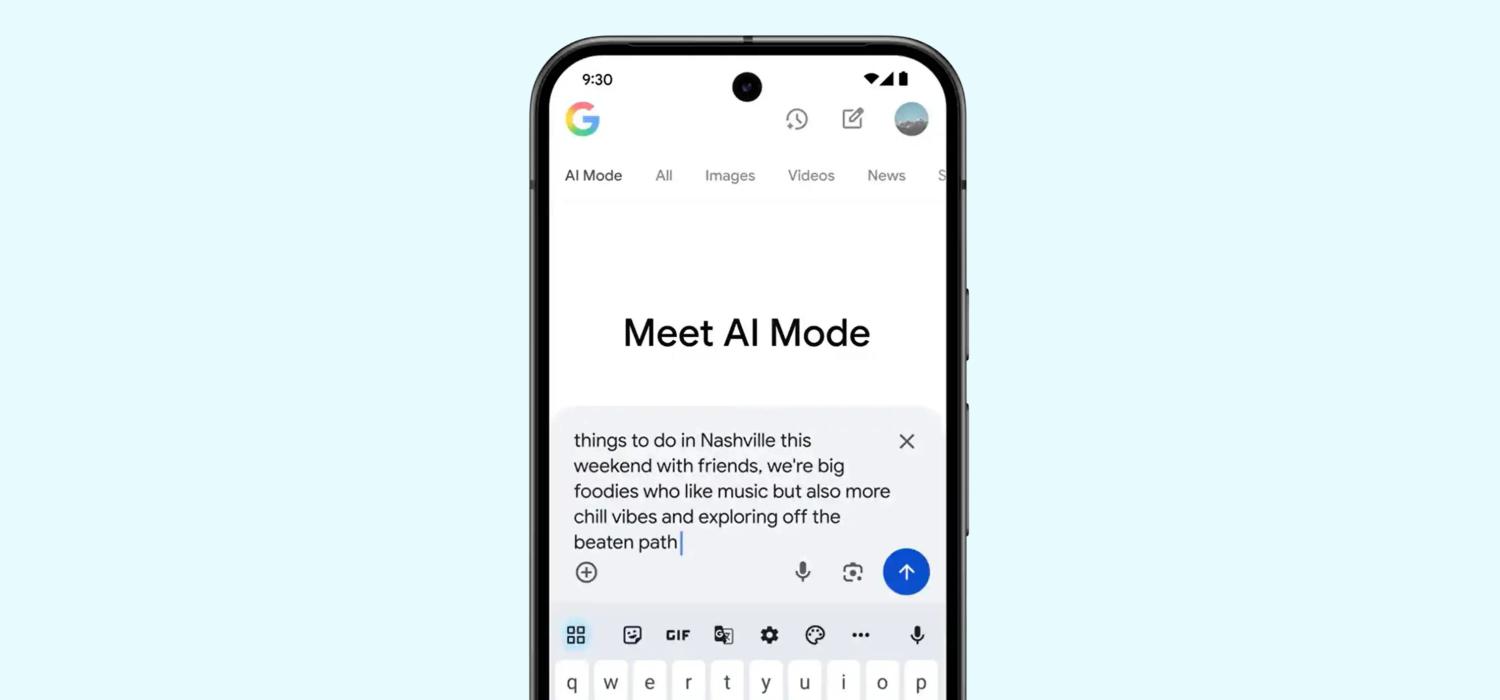
The biggest search-related announcement was the continued expansion of AI Mode in Google Search.
Google described this as one of the biggest changes to Search in years, with users able to ask more detailed questions, continue conversations and move from AI Overviews into deeper AI Mode experiences.
For marketers, the important shift is not just that answers are becoming AI-generated. It’s that search behaviour itself is changing.
People are no longer limited to short, keyword-based queries. They can:
- ask contextual questions
- refine intent mid-search
- explore topics in conversation-like flows
This makes traditional keyword thinking less complete.
Are keywords still relevant in SEO?
Keywords still matter, but they are becoming just one signal within a broader ecosystem of intent, context and user behaviour.
Brands need to understand the questions, concerns, comparisons and decision-making moments that sit around a topic, not just the terms people type into a search box.
The challenge is no longer just to rank for a keyword. It's to be useful throughout the entire customer journey.
2. AI Overviews are now a visibility channel (not just a feature)
AI Overviews are no longer an experimental edge case. They’re becoming a core part of how Google presents information, particularly for queries where users are looking to understand, compare, plan or make decisions.
That matters because visibility is no longer only about ranking in a list of blue links.
A brand can influence a user before they ever click. It can appear in a summary, be referenced as part of a comparison, or shape the way a category is understood. This is why measuring AI search purely through referral traffic misses the point.
AI experiences may not always send the same volume of clicks as traditional search. But they can still build awareness, authority and consideration directly inside the search experience.
For marketers, the question becomes: "Are we visible in the moments where users are forming opinions?"
Not just: "How much traffic did we get?"
How to rank in AI Overviews
For brands asking how to rank in AI Overviews, Google’s guidance remains consistent:
- create genuinely useful content
- demonstrate expertise and authority
- ensure information is structured and accessible
- build topical depth and trust signals
In practice, AI Overviews optimisation still looks very similar to strong SEO fundamentals, just with higher expectations around clarity and authority.
For more help cutting through the noise, check out our latest blog: AI Search Optimisation: 6 Myths Businesses Should Ignore
3. Search discovery is becoming more multimodal
Google also reinforced a trend that has been building for years: search is moving beyond text.
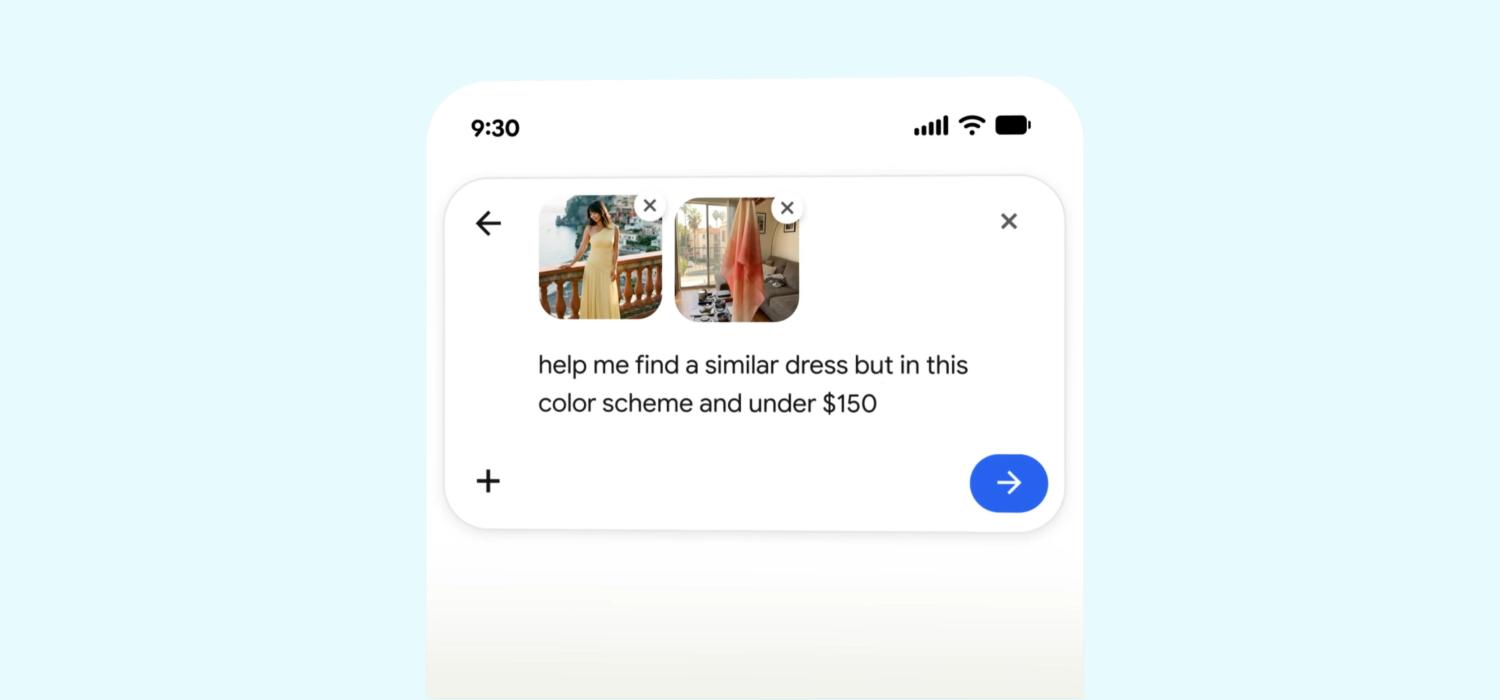
Users are increasingly searching with images, voice, video, files and other inputs. The search box is becoming less of a box and more of an interface for asking, showing, comparing and exploring.
This shift towards multimodal search means brands need to think beyond traditional written content and consider how their products, services and expertise are represented across Google's ecosystem.
Images, video, product feeds, structured data, reviews, metadata and creative assets all contribute to how a brand is understood.
For e-commerce businesses and visually-driven industries, this is particularly important. If users are discovering products through images, comparisons, shopping experiences and AI-generated recommendations, then visibility depends on much more than a blog strategy.
It depends on the quality, consistency and accessibility of your entire digital footprint.

4. AI agents could reshape the customer journey
One of the most commercially significant announcements at Google I/O 2026 was the continued development of AI agents.
What are AI agents?
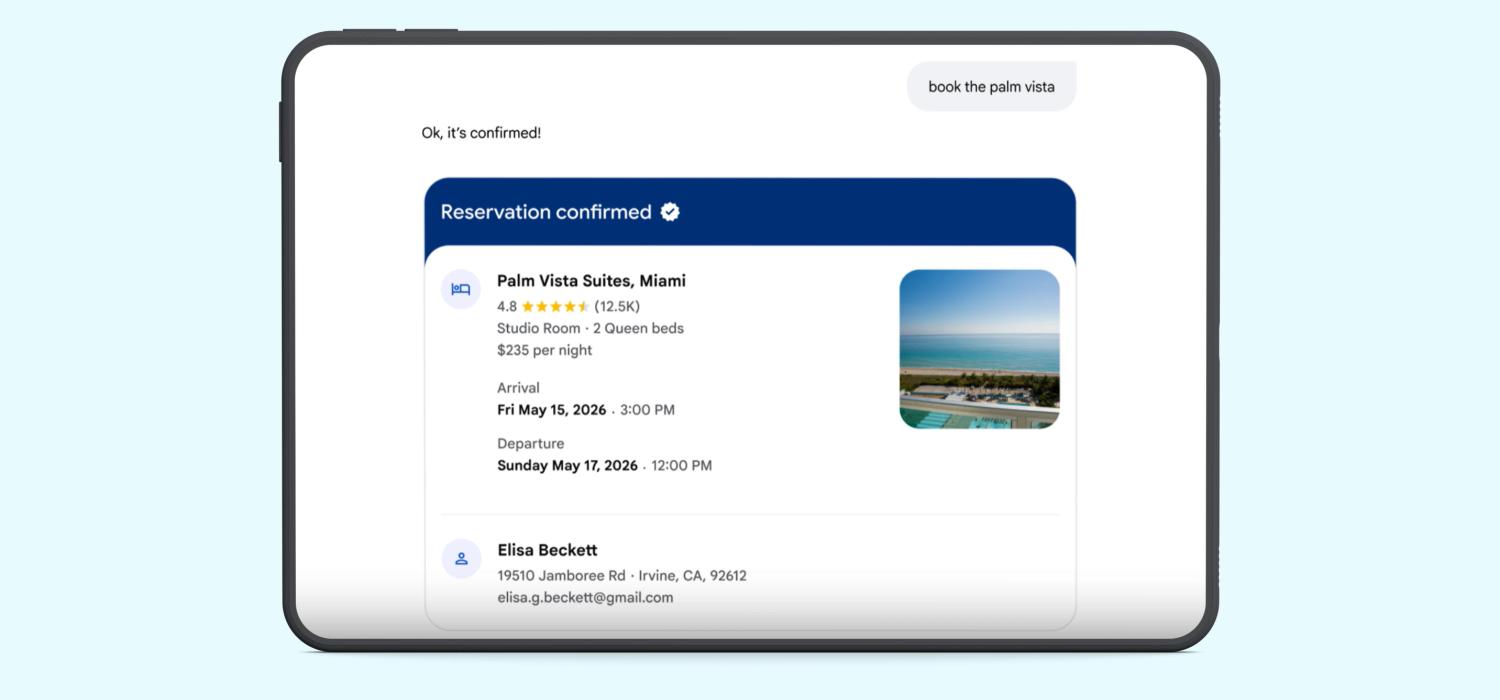
These tools are designed to do more than answer questions. They can monitor information, support planning, help with bookings, assist shopping journeys and take users closer to a purchase decision.
Think of them as AI-powered assistants capable of researching, comparing, planning and taking action on behalf of users.
The impact of AI-powered agents
If AI agents increasingly help people research, compare and act, then brands may have fewer opportunities to influence customers through traditional website journeys alone.
A user might ask Google to find a product, monitor a price, compare options or identify the best provider before they ever land on a brand’s site. That does not make websites irrelevant, but it does mean the job of a website changes.
Your content, product information, pricing, availability, reviews and authority signals need to be accessible and trustworthy enough for AI systems to understand and surface.
The customer journey is becoming less linear. Brands need to be present before the click, not just after it.
5. Commerce is moving closer to search
Google’s shopping announcements point to a clear direction:
Discovery → comparison → purchase is collapsing into one experience.
With tools like Universal Cart and more agent-led shopping experiences, Google is reducing the distance between finding a product and taking action. For retailers, this has obvious implications.
- Product data quality becomes more important.
- Feed optimisation becomes more important.
- Merchant Centre hygiene becomes more important.
- Reviews, pricing, availability and delivery information all become part of whether a brand is surfaced at the right moment.
This isn’t just a paid media issue or an SEO issue. It is a commercial visibility issue.
The brands that win in AI-led commerce will be those with clean data, strong product content, clear value propositions and enough trust signals to be recommended when users ask for help making decisions.

6. Advertising will become more contextual & intent-led
Google’s AI search announcements also have clear implications for paid media.
As search becomes more conversational, advertising will need to move beyond matching ads to keywords and towards matching brands to intent. That means creative, landing pages, product feeds and audience signals will all carry more weight.
The strategic challenge for marketers is not simply: “How do we advertise in AI Mode?”
It’s: “How do we ensure our brand is eligible, relevant and compelling when AI is interpreting user intent?”
This puts more pressure on the quality of the inputs marketers provide to platforms. Weak creative, messy tracking, generic landing pages and poor product data will become harder to hide behind.
AI may automate more of the mechanics, but it still needs strong strategic direction.
7. Organic traffic may become less predictable
As AI Overviews, AI Mode and agentic experiences expand, organic traffic patterns will continue to evolve.
Some informational queries will generate fewer clicks because users get what they need directly in the search experience. Other queries may produce higher-quality traffic because users who click through have already refined their intent.
What AI Overviews means for SEO
Successful SEO can no longer be measured solely by rankings and clicks. Traffic remains important, but it shouldn't be the only metric.
Brand visibility, engagement quality, assisted conversions, share of search, AI citations and branded demand are becoming increasingly important indicators of search performance.
The goal is no longer just visibility. It’s influence across the journey.
Learn more about Why AI Visibility Isn’t About Traffic
What hasn’t changed (and still matters most)
Despite all the new announcements, the fundamentals of strong digital performance remain remarkably consistent.
Brands still need:
- Useful, trustworthy content
- Technically sound websites
- Strong product and service information
- Clear user journeys
- Credible authority signals
- First-party data and measurement foundations
- Creative that actually communicates value
AI doesn’t remove the need for these things. It makes them more important.
Because as platforms become more automated, the quality of your underlying brand, content and data becomes the difference between being surfaced and being overlooked.
What marketers should prioritise now
The right response to Google I/O is not panic; it is focus.
For most businesses, the next steps should be practical:
- Audit how visible your brand is across AI-led search experiences.
- Strengthen the content that supports high-intent decision-making.
- Improve product, service and structured data quality.
- Make sure your website can be crawled, understood and trusted.
- Look beyond traffic as the only measure of search success.
- Bring SEO, paid media, content, data and creative closer together.
The biggest opportunity isn’t chasing every new Google feature; it is building a digital ecosystem that can adapt as discovery changes.
Conclusion
Google I/O 2026 made one thing clear: Search is becoming more conversational, more visual and more action-oriented. But that doesn’t mean you need to abandon what already works.
The businesses that perform best will be the ones that understand the direction of change without overreacting to it.
AI will reshape discovery. It will change measurement. It will alter the way users compare brands, products and services. But a strong strategy, useful content, brand authority and technical SEO foundations still matter.
At Alley, we help brands navigate platform shifts without getting distracted by every new feature announcement. Because in a landscape moving this quickly, the goal is not to react faster than everyone else; it's to build strategies that can keep working as the platforms change.
Need help adapting your SEO strategy for AI search? Book a chat with our team today.

Written by
Nitin Karunakaran